Enhancing Sustainable, Inclusive Resilience and Nutrition (ESIRN)

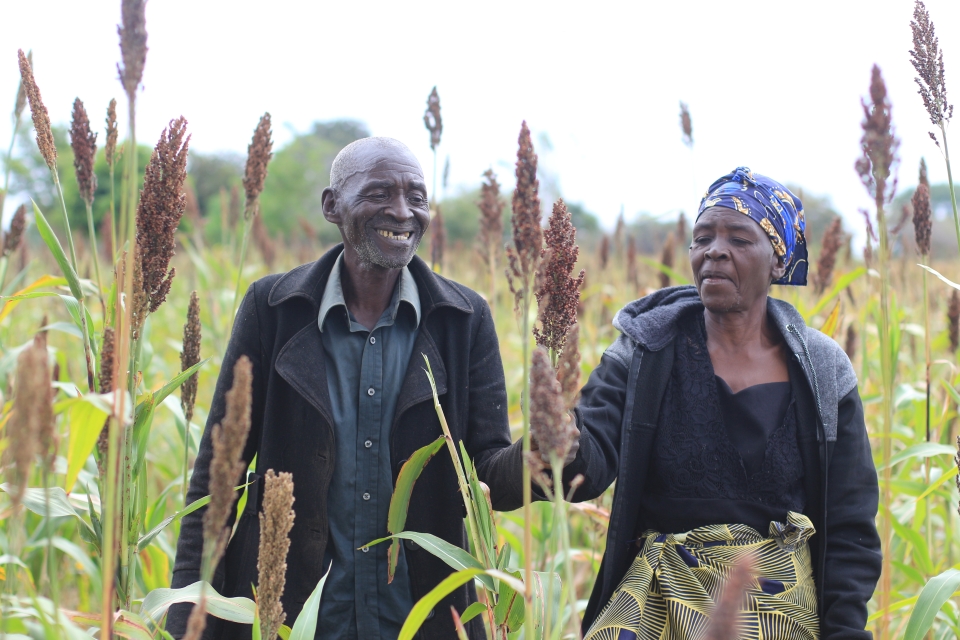
The Enhancing Sustainable, Inclusive Resilience and Nutrition (ESIRN) project builds the capacity of vulnerable smallholder farmers in Zambia, especially women and youth, to withstand climate shocks, increase agricultural productivity and improve nutrition.
Inclusive Nutrition 960x6404

DAPP is implementing this project in two districts of Eastern province, reaching 3,000 smallholder farmers. ESIRN equips vulnerable farming households to improve agricultural production and climate resilience through;

  • Conducting a value chain analysis on drought-tolerant crops, nutritious pulses and small grains, including cowpeas, sorghum and groundnuts to identify opportunities and gaps, generate and update knowledge to inform the design of relevant interventions.

  • Promoting climate-resilient agricultural practices and adoption of less labor-intensive technologies such as mechanisation. We also promote access to irrigation, post-harvest storage solutions to reduce losses.

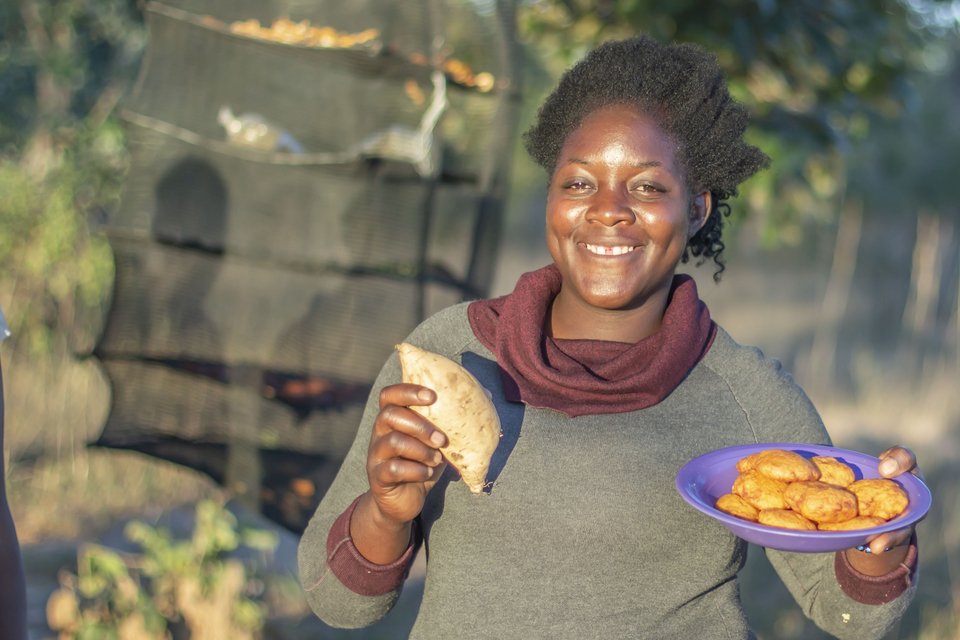
  • Supporting value addition for locally produced foods and expand market access through digital platforms such

  • Enhance financial literacy, formation of savings groups, and link farmers to affordable financing to support agribusiness and entrepreneurial skills.

___________________________________________________________

Project Full Name: Enhancing Sustainable, Inclusive Resilience and Nutrition (ESIRN)

Principal Partner (s): World Food Programme

Other Partner(s): Ministry of Agriculture, Ministry of Green Economy (Forestry Department), Ministry of Health and Ministry of Community Development and Social Services.

Location:  Lusangazi and Nyimba districts in Eastern province.
Enhancing Livelihoods and Smallholder Agriculture Markets Programme 

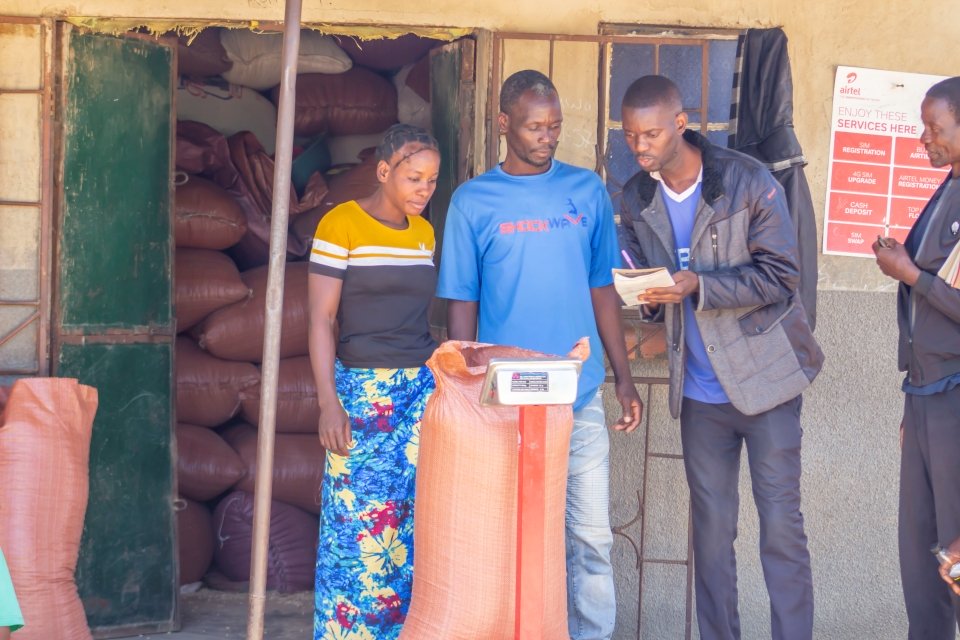
The Enhancing Livelihoods and Smallholder Agriculture Market (ELSAM) programme works closely with local communities to support smallholder farmers in solving everyday challenges, such as access to markets, farming inputs, financial support and the knowledge gap on improved farming methods. 

Markets 960x640

Through this programme, DAPP Zambia is reaching over 14,400 rural farmers organised in  300 Farmers’ Clubs and Savings Groups in six districts of Southern province. We are encouraging the farmers to grow a variety of nutritious crops that support their families’ health and build resilience.  

These community structures are important in connecting farmers to key services, market opportunities and new knowledge. Farmers are learning climate-smart farming, water harvesting, adoption of energy-saving techniques, environmental stewardship including natural resource management and food preservation. The skills help ensure long-term farming success and food security amidst climate related challenges and to support climate change mitigation and adaption. 

Working closely with the community, the programme is;

  • Improving good market connections for rural farmers to profit from their agricultural activities

  • Promoting good nutrition practices and building partnerships to improve access to nutrient-rich foods.

  • Encouraging the adoption of climate services, regenerative agriculture, and innovative technologies to enhance resilience.

  • Providing skills, tools, and knowledge that help farmers and value chain actors engage in diverse, sustainable livelihoods.

_______________________________________________________________________________________

Project Full Name: Enhancing Livelihoods and Smallholder Agriculture Markets (ELSAM)  

Principal Partner (s): World Food Programme 

Other Partner(s): Ministry of Agriculture, Ministry of Green Economy (Forestry Department), Ministry of Health and Ministry of Community Development and Social Services. 

Location: Itezhi Tezhi, Chirundu, Namwala, Monze, Kalomo and Mazabuka districts in Southern Province of Zambia 


Drought Recovery Programme

Drought Recovery 960x640

DAPP Zambia is implementing the Drought Recovery Programme to strengthen the livelihoods, nutrition and climate resilience of smallholder farmers affected by severe drought in three districts of Southern Province.

The project launched in 2024 to respond to the severe droughts through restoring farmers’ agricultural production and supporting their long-term resilience. The project promotes climate-smart farming, improved water use, better crop management and nutritional support.

Over 19,500 smallholder farmers—organised into local Farmers’ Clubs—are participating, with a focus on school-aged children, pregnant and lactating women, and adolescent girls.

Key focus areas

  • Climate Information: Sharing timely agriculture and climate information for farmers to make informed decisions in their crop management.
  • Resilience: Distributing drought-tolerant seeds, promoting regenerative farming, establishing seed banks and improving seed certification systems.
  • Post-harvest: Training farmers in storage and drying techniques to reduce food loss and increase household incomes.


  • Nutrition: Supporting school feeding programmes using school gardens, promoting nutrition education and increasing local food sourcing from smallholder farmers.
  • Credit: Improving access to finance through savings groups, linking farmers to markets using tools like Maano Virtual Farmers Market and encouraging value addition.
  • Water Resource Management: Rehabilitating water systems, promoting low-cost irrigation technologies and strengthening local water management committees to improve water access and agricultural activities.

__________________________________________________________________________________

 KEY FIGURES

  • 15,000 school pupils to enhance school feeding
  • 437 community savings groups improving access to affordable credit and savings
  • 18,000 farmers receiving drought-tolerant seed varieties to improve crop and nutritional diversity
  • 3,800 pregnant and lactating mothers and 4,500 adolescent girls targeted with nutritional support through trained volunteers.

____________________________________________________________________________________

Project Full Name: Strengthening Resilience of Smallholder Households in Drought-Prone Areas of Zambia

Principal Partner: World Food Programme

Other partners: Ministry of Agriculture, Ministry of Green Economy and Environment through Forest Departments, Ministry of Health, Ministry of Education and the Child Welfare Fund run in cooperation with the Ministry of Community Development and Social Services.

Private sector partners: Vision Fund Zambia, Vitalite, Griffin, Crop Z, Silverlands, SARO Agro, Forest Department, AGORA, and National Milling Company Location: Kazungula, Gwembe, and Namwala Districts, Southern Province


Alternative to Charcoal, A2C

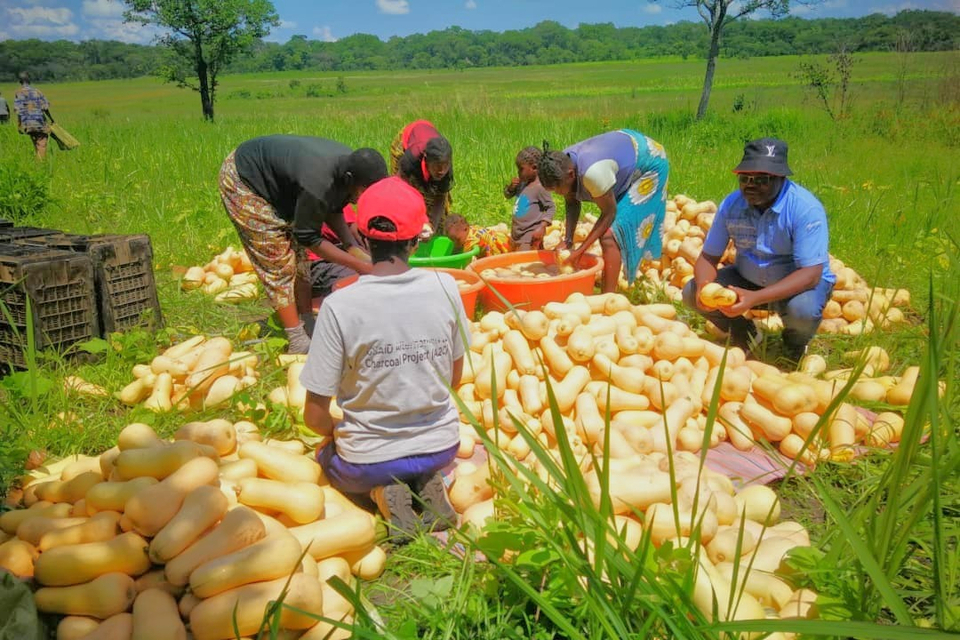
The Alternative to Charcoal, A2C project aims to mitigate the negative impact of reduced charcoal consumption in urban areas on rural households that rely on charcoal for income.

Farmers Club 960x640

We are working with over 9,000 community members, including over 600 charcoal producers organised in Farmers’ Clubs. We are promoting agricultural value chains as an alternative, sustainable source of livelihood including Beans, Honey, Horticulture, Butternut and Sweetcorn.

The project support farmers with;

  • Market access and Post-harvest handling management
  • Financial Inclusion (Savings and credit)
  • Sustainable forestry and Land use management
  • Gender inclusion.

Further, the project is working with three (3) Community Forestry Management Committees and six (6) Farmer Service Centers (FSC) as links for both inputs and outputs.

___________________________________________________________________________________

KEY FIGURES

  • Working with 1,500 households
  • 9,000 community member beneficiaries, including 600 charcoal producers
  • 50 Farmers’ Clubs formed
  • 3 Community Forestry Management Committees
  • 6 Farmer Service Centers

__________________________________________________________

  • Project Full name: Sustainable Livelihood and Enterprise Development
  • Principal Partner(s): Tetra Tech
  • Other Partner(s): Ministry of Agricultural, Ministry of Community Development and Social Services
  • Location: Kalumbila and Solwezi districts of North Western Province