The Urban Garden Farming Project is a DAPP initiative that started in January 2026 to improve household food security, nutrition, income generation and environmental sustainability in Kanyama, Chawama and Matero sub districts of Lusaka. The project responds to challenges of unemployment, rising food costs, climate change and underutilised urban spaces among low-income urban areas by promoting sustainable urban garden farming practices.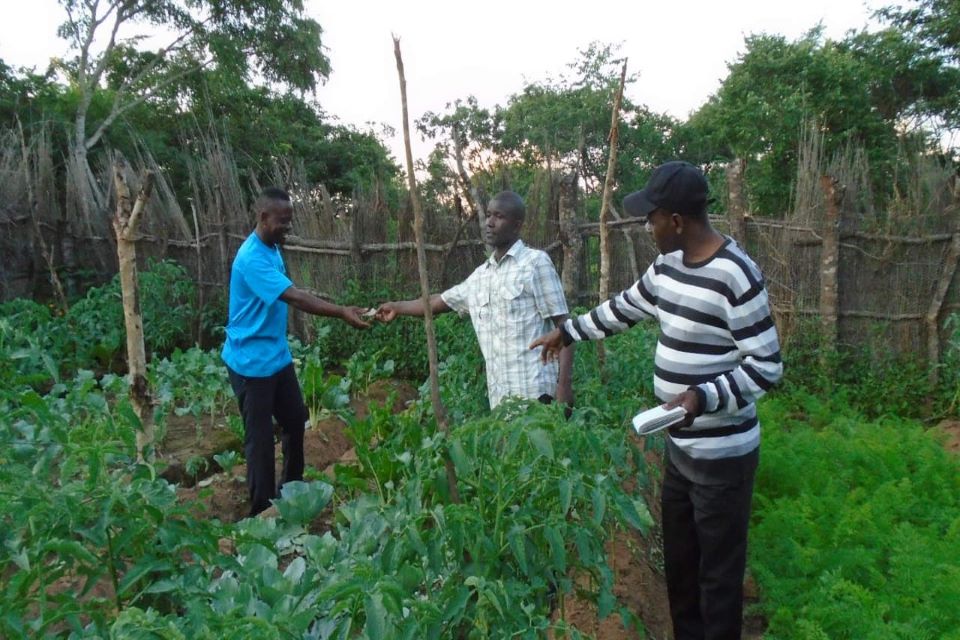
With the focus on improving household food security, nutrition and income generation, the model is designed to bring together existing community groups of women, youth, churches, schools and savings groups to establish demonstration gardens serving as learning sites and nurseries.
The initiative works through community groups that establish demonstration gardens as learning sites to enhance food security, nutrition and income generation through sustainable garden farming. The groups provide training in climate-smart urban farming techniques, while trained champions (ToT) support knowledge sharing and sustainability. WhatsApp and later Facebook are used for information sharing, and input agents coordinate affordable farming inputs.
Through the Urban Garden Farming Project initiative, the project is expected to increase access to fresh and nutritious food, improve household incomes, strengthen community cohesion, promote greener urban environments through productive use of underutilized land and contribute to climate change mitigation through sustainable land and resource use.
Project Full name: Urban Garden Farming Project
Project Duration: 2026 January – 2027 January (with potential for scale-up)
Principal Partner(s): Child Welfare
Location: Lusaka