Community-led Monitoring Malaria (CLM) Programme

report launch 2

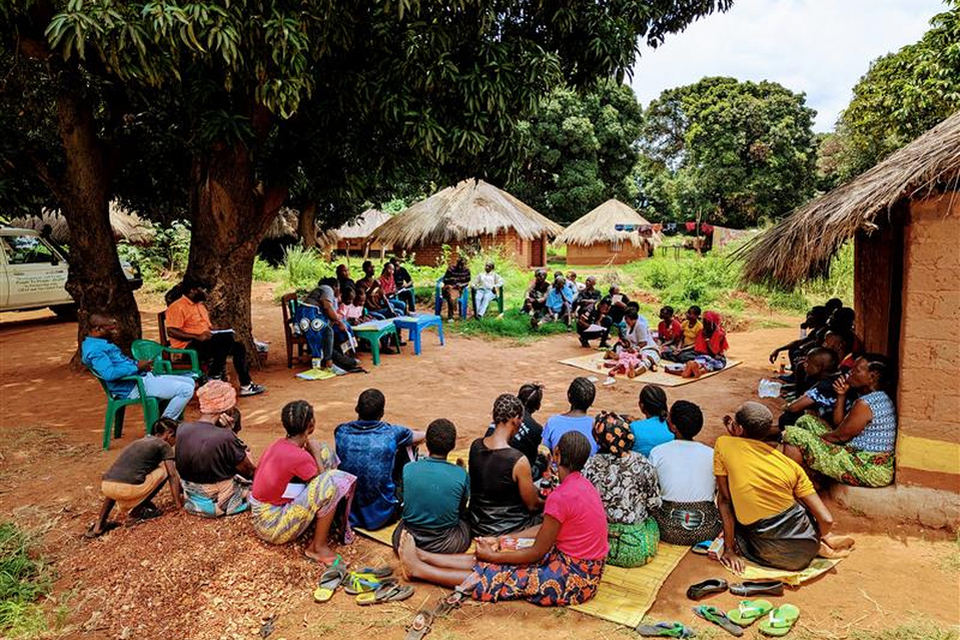
The Community-Led Malaria (CLM) programme is based on the principle that people affected by malaria should lead the fight against it. The programme supports community members not only to help, but also to participate in the key decision-making process aimed at fighting and controlling malaria within their communities.

The programme is funded by the Global Fund to fight AIDS, Tuberculosis and Malaria, with the Churches Health Associations of Zambia as the main grant holder and Development Aid from People to People in Zambia (DAPP) as the lead partner in the implementation of activities. CLM collaborates with seven local partners in all 10 provinces and 51 districts in Zambia, supporting 320 health facilities.

CLM works through volunteers who collect information, assess malaria services, and identify gaps and barriers within the health system. Communities then meet to discuss the challenges identified and make action plans, using both local initiatives and direct collaboration with health officials to solve the issues identified.

The information gathered through a survey and community focus group discussions is utilised to plan activities, allocate resources effectively, and engage in discussions with health officials.

This fosters collaboration between communities and health workers, where everyone has a role in reducing malaria. Communities sustain the work by remaining organised, sharing information, and collaborating, from homes to neighborhoods and districts.

Project Full name: Community Led Monitoring Malaria

Principal Partner(s): The Global Fund through Churches Health Association of Zambia (CHAZ)

Implementing Partners: Ministry of Health, Family Development Initiatives (FDI), Project Concern Zambia (PCZ), Diligent Health Initiatives (DHI), Eastern Province Women Development Association (EPWDA), Network for People Living with HIV and AIDS (NZP+), Treatment Advocacy and Literacy Campaign (TALC) and Lifeline Child line Zambia (LLCZ).

Location: Lusaka, Southern, Western, Luapula, Northern, Eastern, Copperbelt, North-Western, Central and Muchinga Provinces. Implemented in 51 districts.
Total Control of Child Immunization Project

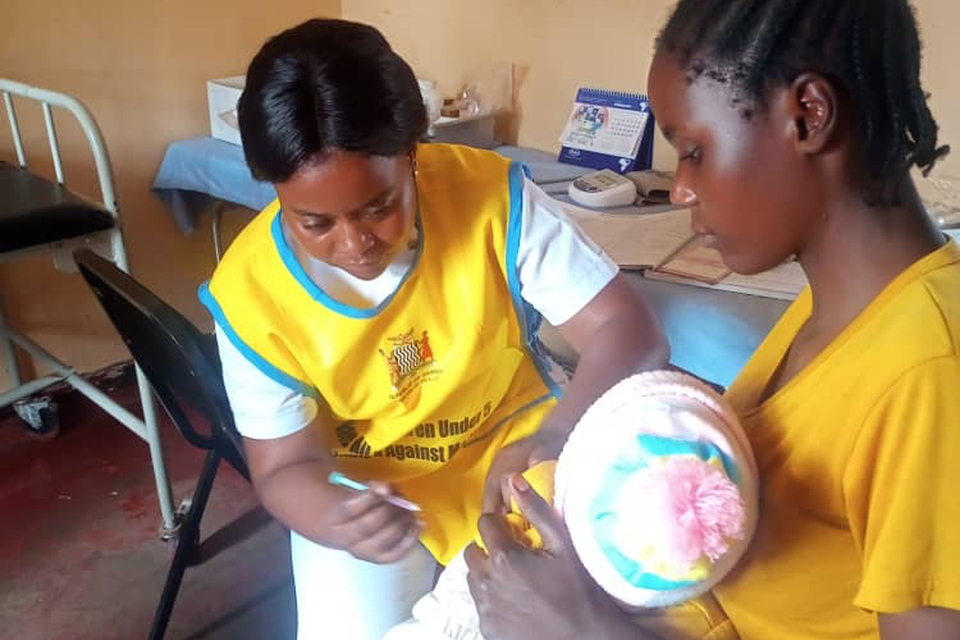
Immunization as a means of preventing infectious diseases presents a significant opportunity to improve childhood health and secure long-term social and economic benefits later in life. However, immunization coverage in Zambia remains low, averaging between 65 and 70 per cent, and continues to pose a risk to the overall child population; hence, there is a need to bridge the gap in child immunization.

Child immunization 4The Development Aid from People to People (DAPP), through the Churches Health Association of Zambia (CHAZ) and the GAVI-Vaccine Alliance, implements the Total Control of Child Immunization (TCCI) project in Solwezi and Kalumbila Districts of North-Western Province of Zambia. 

The project operates in 88 Government health facilities that are enrolled (32 in Solwezi and 56 in Kalumbila) in the program, working with 174 Community-based Volunteers to create demand for immunization services in communities with zero dose (never been immunized), under-immunised and missed children in communities.

It identifies, orients and engages Community Gatekeepers at all levels (traditional and faith-based leaders and other influential people) to take part in advocacy activities. It also strengthens partnerships with local and community actors in child immunization services. Knowledge, attitude and behaviour change through dialogue meetings, door-to-door sensitization, male involvement in child health, and commuter sensitization are some of the community engagement strategies that have been successful so far in bringing children to care.

Key challenges keeping children from vaccination in the community include religious/cultural beliefs, long distances to health facilities and (and inadequate outreach services, which at times are only conducted twice a year, leading to default of vaccination), and low male involvement in child health.

In the last quarter of 2024, 94% of defaulter children that were traced from the community were immunized, while immunization of zero-dose children stood at 92%.

Project Full Name: Total Control of Child Immunisation (TCCI)

Principal Partners: Global Alliance for Vaccine and Immunisation (GAVI) and Churches Health Association of Zambia (CHAZ)

Other Partners: Ministry of Health (MoH)

Location: Solwezi and Kalumbila of North Western Province

Defence Force HIV Prevention Program

The Centre for Infectious Disease Research in Zambia (CIDRZ) and Development Aid from People to People (DAPP) in Zambia have partnered to support the Zambian Defense Force Medical Services (ZDFMS) to strengthen their HIV/ AIDS response.

DOD 960x640

This four-year cooperative agreement worth over 40-million US Dollars, is funded by the U.S. Department of Defense, (DoD).

DAPP works in the communities surrounding the military facilities and support children living with HIV and their families.

Using proven strategies and methods in the Total Control of the Epidemic program (TCE), DAPP mobilizes people for HIV prevention and care activities including;

  • HIV testing services
  • Support those tested positive to start and sustain ART
  • Support TB screening, testing and treatment.
  • mobilize those in need to start on Pre-Exposure Prophylaxis (PrEP) for HIV prevention drugs
  • Screening for cervical cancer
  • Promoting family planning
  • Mobilizing people for Voluntary Medical Male Circumcision (VMMC).

In addition, DAPP also supports children and adolescents living with HIV to improve health and livelihood.  and will further provide economic strengthening of their families through the OVC program.”

______________________________________________________________________________

Project Full: Strengthening Department of Defense HIV/AIDS Prevention Program’ or DHAPP.

Principal Partner: The Centre for Infectious Disease Research in Zambia (CIDRZ)

Other Partners: Zambian Defense Force Medical Services (ZDFMS)

Location: Western, Southern, Lusaka, Central, North Western, Copperbelt, Northern, Luapula, Eastern and Muchinga provinces of Zambia

Defence Force HIV Prevention Program

 ______________________________________________________________________________

KEY FIGURES 

  • 3,308 people tested positive for HIV.
  • 3,667 linked to HIV treatment.
  • 5,121 people living with HIV linked to TB Prevention Therapy.
  • 11,157 children supported under OVC

Total Control of TB (TC-TB) (Completed) 

tctb projectsTuberculosis is curable, yet it is responsible for thousands of deaths and tens of thousands of illnesses in Zambia every year.

DAPP has always integrated TB interventions in the fight against HIV under the TCE Program (hyperlink to TCE Project). However, the TC-TB is a dedicated project working towards improving case finding of TB, uptake of TB preventive treatment (TPT), as well as uptake and completion of TB treatment among vulnerable populations, especially inmates in correctional facilities and children.

In Lusaka, the project is working towards reducing TB incidences and related mortality among children in three high-risk sub districts of Lusaka, Chawama, Matero and Chipata). We are finding children who have been exposed to TB or have active TB.

Our trained TC-TB Field Officers;

  • Visit people with TB at home and give TB information
  • Make follow-ups in the households to screen contacts of people living with TB
  • Test all the eligible children and link them to treatment.
  • Sensitize the parents of the children on treatment to ensure they adhere to treatment

With funding from Stop TB Partnership, we helped upgrade the radiology departments at Chawama and First Level Hospitals with two Digital X-Ray machines to improve TB detection among children.

We have trained doctors, radiographers, lab technicians and in chest clinics and mother child health departments to provide systematic Under Five children screening for TB and refer those malnourished or with symptoms to chest clinic.  

________________________________________________________

Project Fullname: Total Control of TB, TC-TB 

Principal Partner(s): Stop TB Partnership

Other Partner(s): Ministry of Health, Humana People to People, HPP

Location: Lusaka district (Chawama, Matero and Chipata Compounds for children)

______________________________________________________________________________

KEY FIGURES (May 2023 to today)

  • 418 children (0-14years) linked to TB treatment
  • 1,868 children linked to TB prevention treatment, TPT
  • 2,112 adults linked to TB treatment
  • 6,562 adults linked to TB prevention treatment, TPT