 Mapoma Primary School in Kachibiya District, Muchinga Province, has 700 pupils and 9 teachers. The school is 180 kilometers from the Great North Road, with poor roads and a limited network. Many children stop coming to school because of early marriages, early pregnancies, initiation ceremonies for girls called ‘Nachisungu,’ and fishing activities in the Mukasi River.
Kabamba Mulenga is a Grade 6 teacher at Mapoma Primary School and a graduate of DAPP Mkushi College of Education. At the college, student teachers learn how to work with families, involve the community, and support learners in school. He understood that teaching in the classroom alone would not solve the issues learners face.
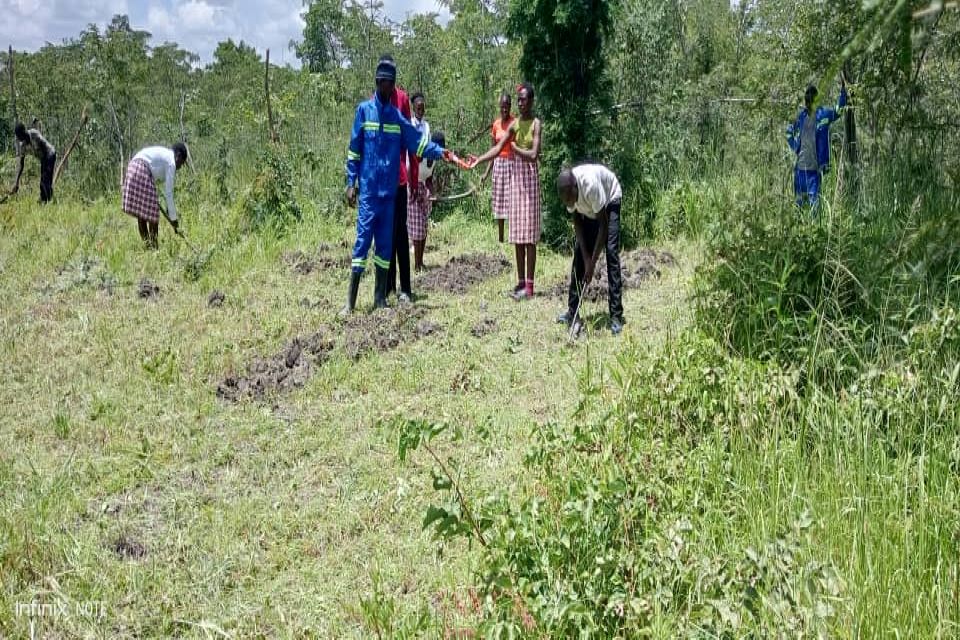
“I noticed many of the learners were leaving school because of early marriages and teenage pregnancies, while others were helping their parents with fishing. Remembering my college community outreach experience, where we raised awareness about the social challenges the communities were facing. We listened to them as they spoke, worked with them shoulder to shoulder with families and local leaders, which helped us get closer to the reality and address these issues effectively. I decided to apply these lessons here,” Kabamba said.
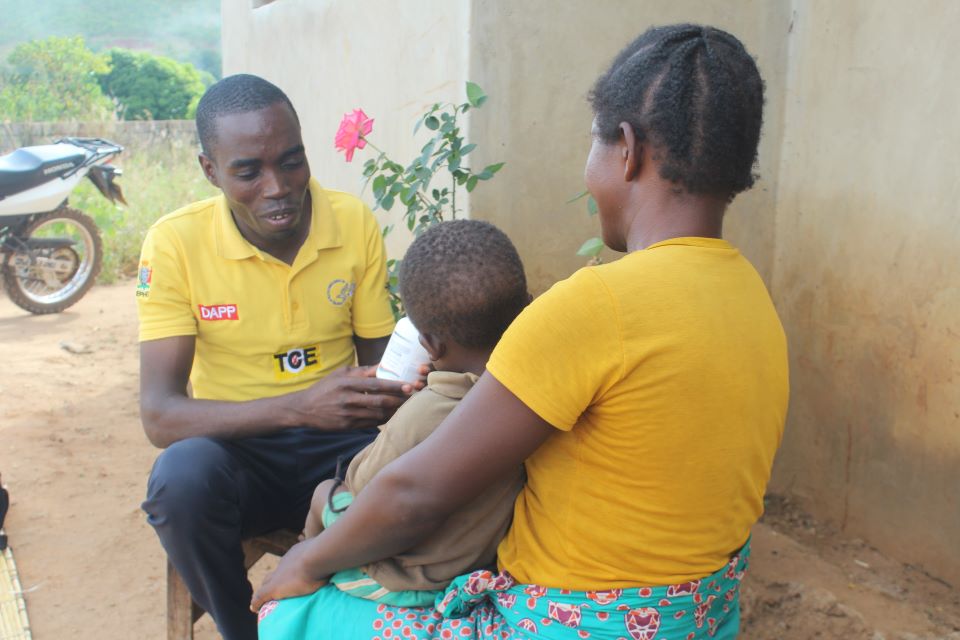
“I began visiting homes to talk to parents about why sending their children to school is important. I also meet with the learners after school to explain why staying in school matters for their future. I don’t do this alone — I work together with the guidance and counseling teacher, and we involve the headmen to help organize meetings with parents. Seeing parents listen, discuss, and support their children reminds me why this work is important,” he added.
He also engaged the female teachers to talk with the girls about protecting themselves.
“We teach the girls to say no to men who may want to take advantage of them. We tell them to report anything wrong to their parents or a teacher. This is helping the girls understand how to stay safe and continue their education,” he explained.
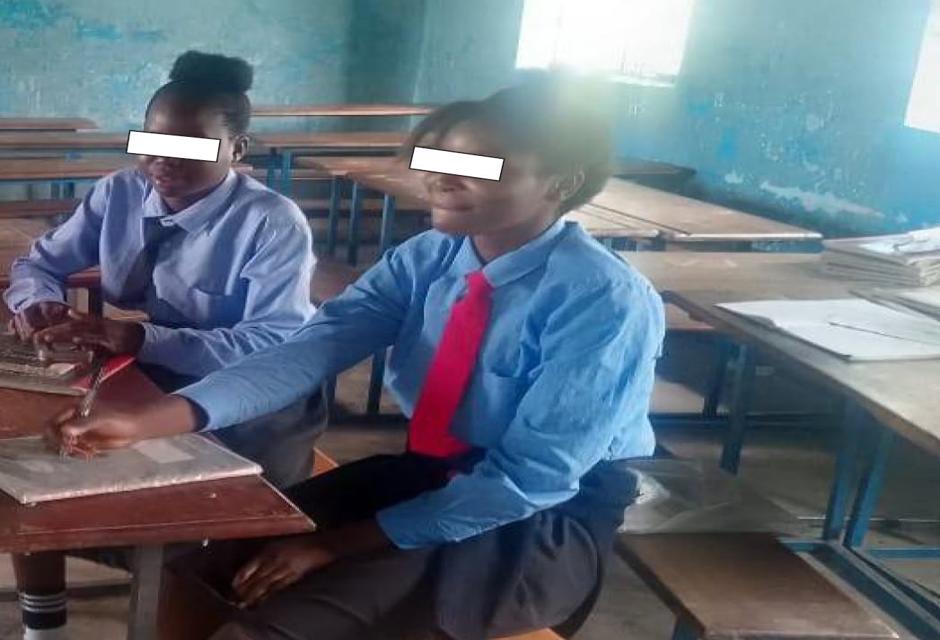
Through these visits, discussions, and school activities, Kabamba noticed a change. Parents began supporting their children’s education more actively. Eight learners who had left school because of early pregnancies have returned to school, and others are showing a willingness to continue learning.
“Now we are seeing results. Children are coming back to school, and parents are helping with their learning. Teachers, parents, and the community are working together. This shows that when teachers use what they learned at college, involve parents, and guide learners, more children can stay in school and continue learning,” he said.