 Gender-Based Violence (GBV) continues to affect individuals, families, and communities worldwide. It limits participation in daily life, affects health, and contributes to long-term social and economic challenges. Many women, adolescents, and girls face increased risks of HIV, unwanted pregnancies, lifelong trauma, and other health concerns linked to GBV.
Global reports show high levels of physical and sexual violence against women, often within homes or intimate relationships. Zambia reflects the same pattern. The Zambia Police Victim Support Unit recorded 10,000 GBV cases in the 3rd Quarter of 2025, with women and girls accounting for 79% of all victims. Many cases are driven by unequal power relations, economic pressure, limited information, and restricted access to services. In rural areas, long distances, stigma and discrimination, and lack of transport make it harder for survivors to report or access help.
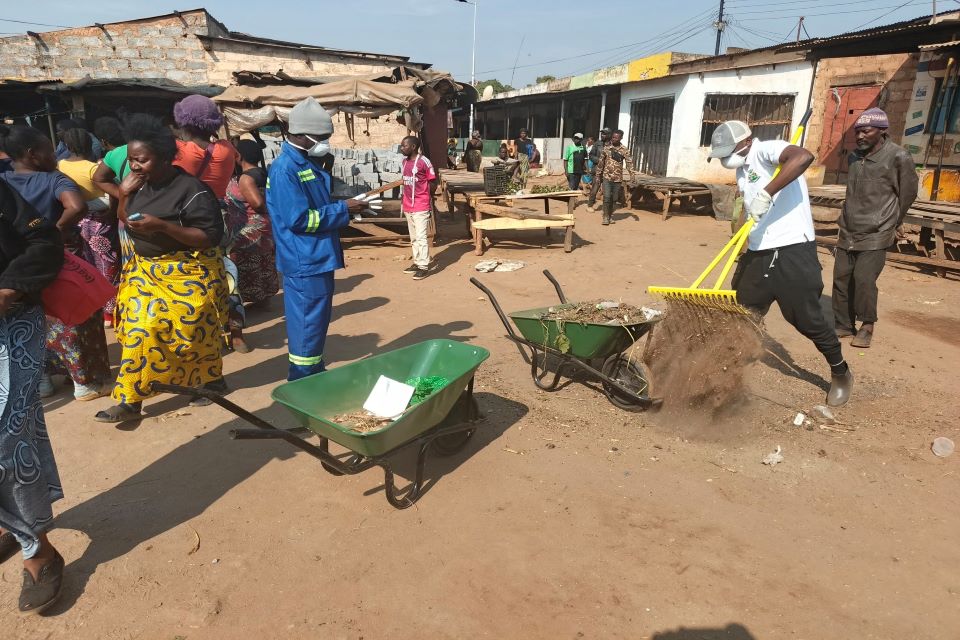
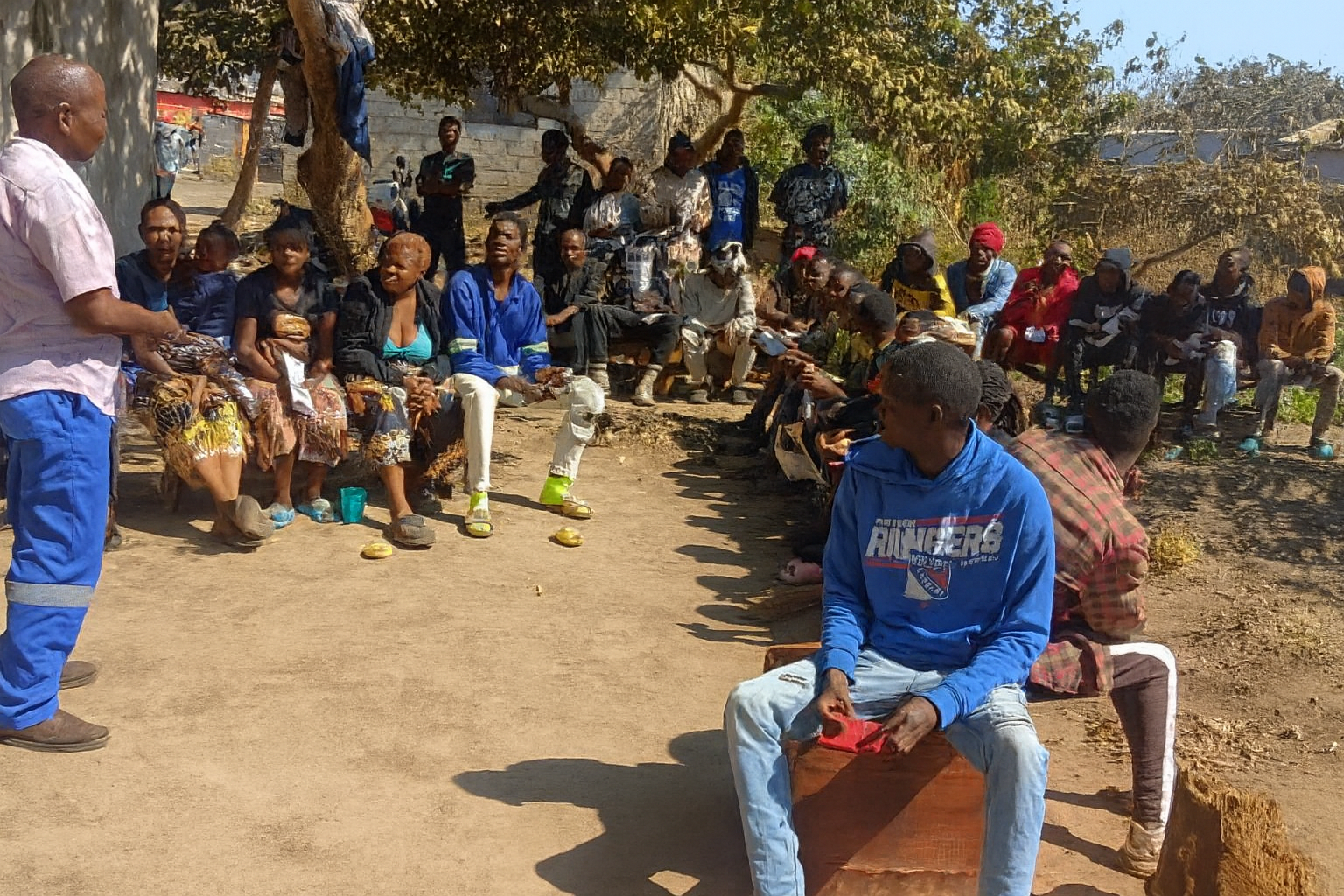
During this year’s 16 Days of Activism Against GBV, the TCE project is focusing on male engagement as a key strategy in preventing violence. Many cases continue because men and boys are often not involved in discussions or prevention efforts. When men participate in dialogues, awareness sessions, and support activities, communities become more responsive, and violence decreases.
Through door-to-door engagement, the TCE project reached 87,000 people with GBV messages in the last year. A total of 66,000 individuals were screened, uncovering 15,000 Sexual Partner violence. Survivors were referred to health facilities, One-Stop Centres, victim support units, and other services. 11,000 were successfully linked to post-violence care. Some HIV-positive survivors were linked to ART, while HIV-negative survivors received PEP within 72 hours.
Male engagement remains central to this work. Men who speak out, support survivors, challenge harmful norms, and promote respect contribute to safer homes and communities. During the 16 Days of Activism, the call is for men and boys to take active roles in prevention and reporting. The DAPP TCE project continues working with communities to strengthen this involvement and ensure that every person can seek help without fear.