DAPP Zambia Managing Director Elise Soerensen recently joined the World Food Programme (WFP) and key development partners at the 2026 Annual Partner Consultation at WFP Headquarters in Rome, Italy, from 5 to 6 November 2026.
Held under the theme "From Pressure to Progress Together”, the gathering brought stakeholders together to align on shared priorities and explore how strengthening local organisations can expand project portfolios and maximize community impact.
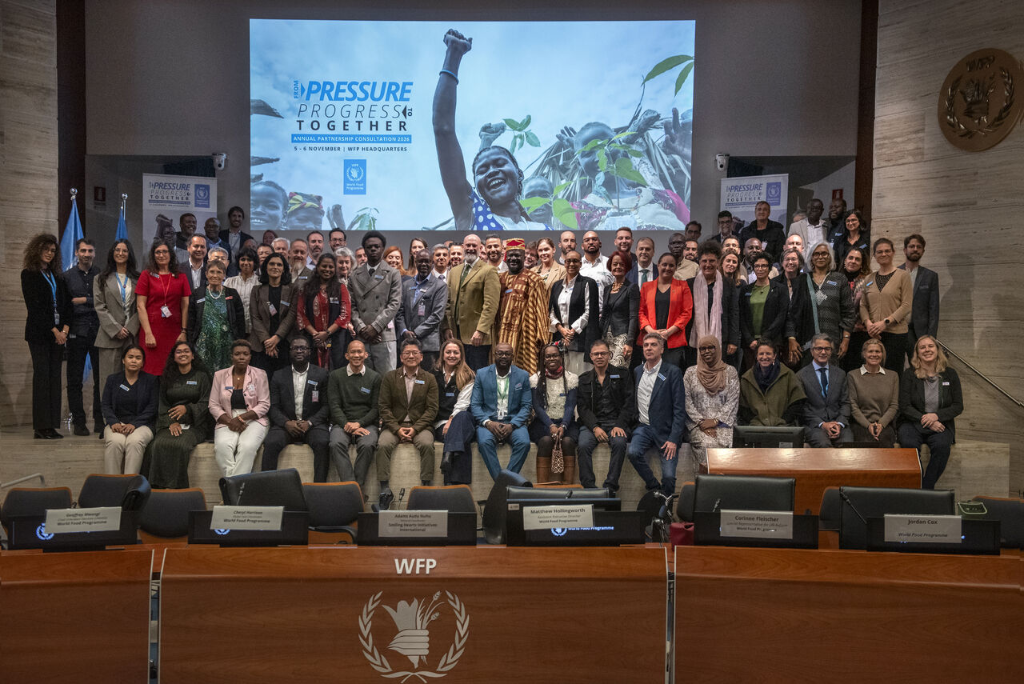
As the world grapples with the rising humanitarian needs and constrained resources, discussions emphasized collective action and high-impact partnerships. For DAPP Zambia, the event was a vital opportunity to reaffirm its decade-long collaboration with WFP in strengthening smallholder agriculture and building resilient communities.
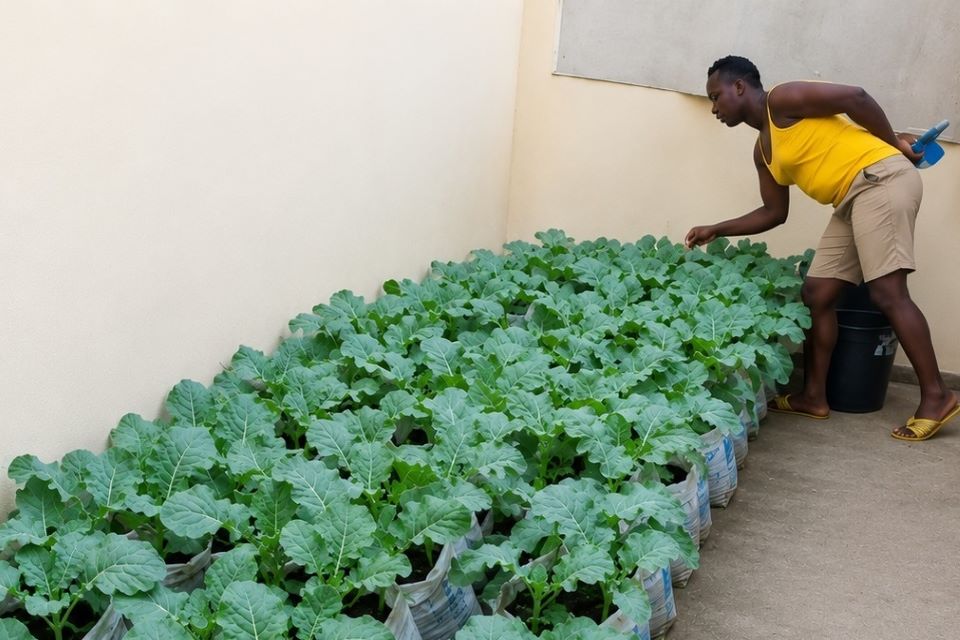
During the consultation’s exhibition, DAPP Zambia showcased how its community-driven Farmers’ Clubs Model boosts agricultural production, strengthens livelihoods and builds climate resilience.
Elise Soerensen shared how more than 63,000 smallholder farmers have organized themselves into over 1,100 community-based clubs to identify local challenges, share knowledge, and adopt climate-smart practices. Through these clubs, farmers access hands-on training and support across the entire agricultural value chain, including:
- Climate-Smart and Productive Farming: Conservation agriculture, diversification of production including irrigation and small livestock, and access to localized climate information.
- Business & Finance: Savings groups, financial inclusion, post-harvest management, and market linkages.
Strengthening Local Organizations and Public-Private Partnerships
Soerensen also contributed as a speaker during a high-level breakout session titled "Funding Modalities, Access, and the Future of Humanitarian Financing."
During the session, she emphasized that scaling up impact requires investing in and strengthening local structures—such as farmer organizations and local aggregators—and linking them directly to the private sector to improve market access and boost farmer incomes.
She also underscored the vital role of close government collaboration to achieve sustainable, nationwide scale, highlighting several proven examples from DAPP Zambia and WFP’s joint work:
- Community Savings Groups: Empowering farmers to build local financial resilience and invest in their own farms.
- Local Aggregators: Connecting smallholder clubs to reliable private-sector buyers so farmers can run agriculture as a profitable business.
- Scaling Climate Insurance: Highlighting how DAPP Zambia and WFP jointly piloted Weather-Based Index Insurance, a successful model that was later adopted by the Zambian government and integrated into the national Farmer Input Support Programme (FISP) currently reaching over 1 million people.
Empowering Farmers as Drivers of Change
DAPP Zambia’s collaboration with WFP spans more than a decade, with the Farmers’ Clubs Model serving as a cornerstone for community-level agricultural development.
Rather than treating farmers simply as passive recipients of aid, the model places them at the center of development—empowering them as active participants who organize, learn from one another, make local decisions, and drive lasting change within their own communities.
As the consultation’s theme—"From Pressure to Progress Together"—highlights, overcoming today’s complex challenges requires more than isolated efforts. It calls on partners, governments, and local organizations to unite, share knowledge, and turn collective commitments into meaningful, long-term progress for rural communities.