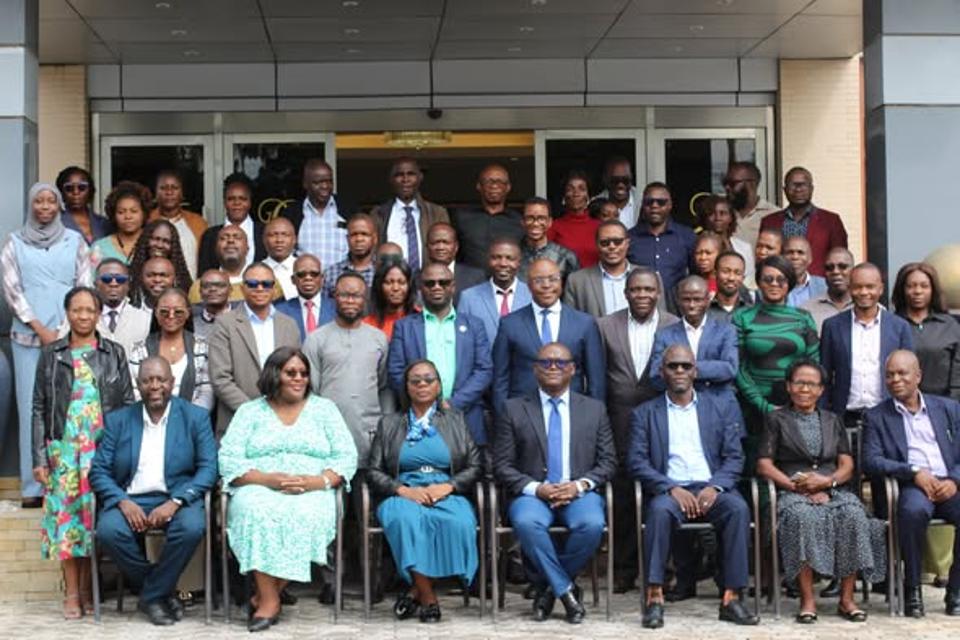
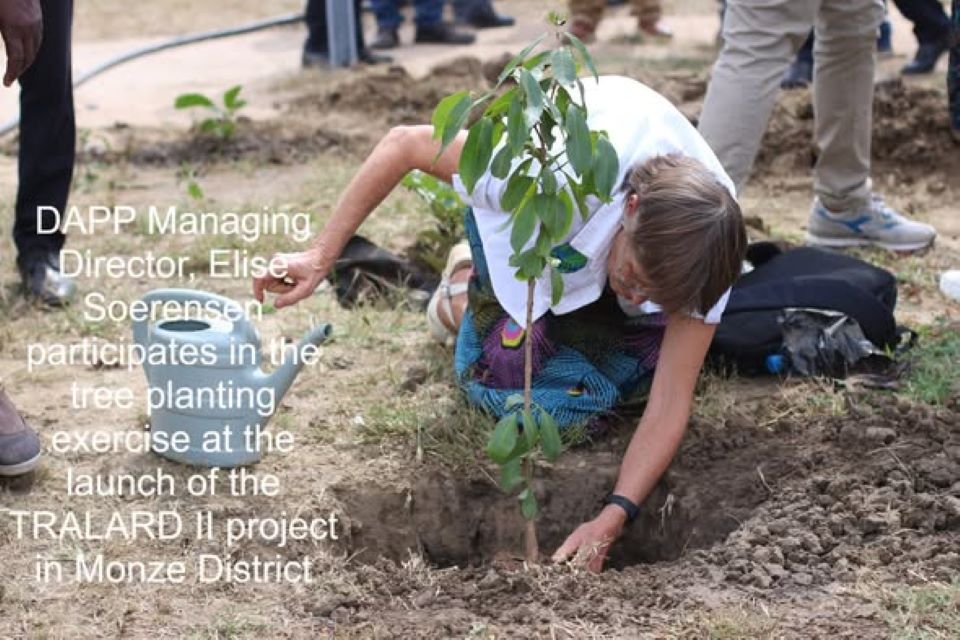
 On Wednesday, 15 April 2026, DAPP Zambia joined the Ministry of Green Economy and Environment in Monze District for the launch of Phase II of the Transforming Landscapes for Resilience and Development in Zambia (TRALARD II) project.
TRALARD II is a Government of the Republic of Zambia initiative aimed at strengthening livelihood resilience and improving natural resource management across the country’s Miombo ecoregion.
The launch, held at the Samu Lya Moomba Heritage Site, brought together traditional leaders, senior government officials, international development partners and smallholder farmers at the historic venue.
Accompanied by DAPP Zambia Managing Director, Elise Soerensen, farmers from DAPP-supported agriculture projects mounted an exhibition showcasing how they are improving productivity and building resilience to climate-related shocks through the Farmers’ Clubs Model — a farmer-driven, integrated approach.
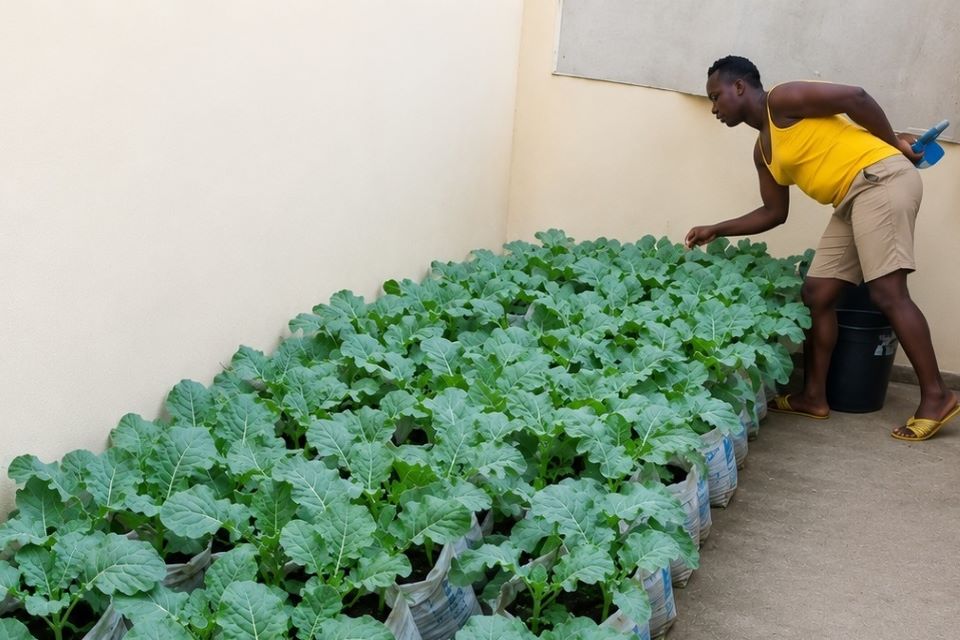
At the stand, farmers demonstrated practical innovations including firewood-saving stoves, market-oriented farming activities and climate-smart agricultural practices that combine food production with environmental protection.
“We are showing how we are adopting sustainable solutions that not only increase yields but also protect our natural resources,” said Hameno Maambo, one of the exhibiting farmers. “We are applying conservation farming, diversifying crops and strengthening our household economies through savings, so we are less dependent on unsustainable practices like cutting trees for income.”
TRALARD National Coordinator, John Banda, said the US$137 million second phase builds on the success of Phase I, which was implemented in 16 districts across Luapula, Northern and Muchinga provinces.
He noted that Phase II will run from 2026 to 2030 and expand into Southern and Copperbelt provinces, increasing coverage to 32 districts across five provinces.
Minister of Green Economy and Environment, Mike Mposha, in a speech read on his behalf by Permanent Secretary Douty Chibamba, described the project as a critical investment in Zambia’s sustainable and climate-resilient future. He emphasised the need to prioritise environmentally responsible development.
Traditional leaders, led by host Chief Choongo, welcomed the initiative and urged implementing partners to integrate indigenous knowledge into climate responses to ensure locally relevant and sustainable solutions.
The event was attended by representatives from the World Bank and Nordic Development Fund among development partners supporting the projects.