CHILANGA, Zambia, 28 October 2026 — Malaria remains a key public health concern in Zambia, with the National Malaria Elimination Centre (NMEC) reporting a 13 per cent increase in cases and a 16 per cent rise in deaths in the first half of 2026 compared with the same period in 2025.
The rise has renewed calls for stronger community participation in malaria control, with stakeholders emphasising the need to ensure that concerns raised by communities inform decisions and improvements in health service delivery.
This was highlighted during the National Stakeholders Meeting for the Community-Led Monitoring (CLM) of Malaria Project, funded by the Global Fund through the Churches Health Association of Zambia (CHAZ), with DAPP Zambia serving as a sub-recipient and working with eight implementing civil society organisations.
The CLM Malaria Project aims to strengthen community participation and accountability in malaria control by providing people with a platform to share their experiences with health services, identify gaps in prevention, testing and treatment, and engage health authorities and service providers in finding solutions.
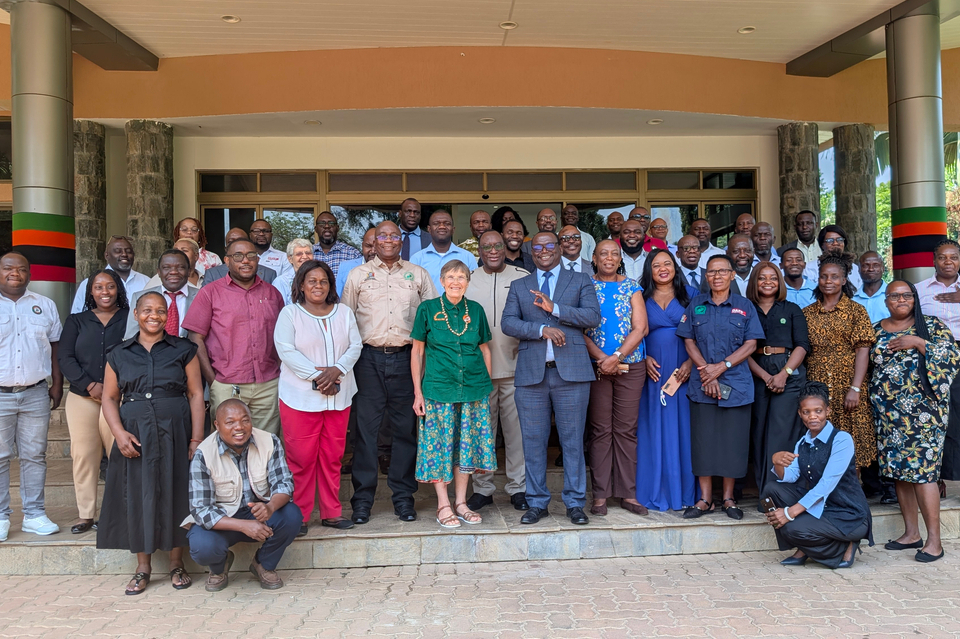
The two-day meeting, held on Wednesday and Thursday, brought together civil society representatives, health officials at district, provincial and national levels, and local authority representatives to review community feedback, discuss persistent service delivery challenges and strengthen collaboration to ensure that concerns raised lead to practical improvements.
“The success of CLM will not be measured by the volume of data we collect, but by the suffering we prevent. We need to act on what communities tell us. It is not just about listening. It is about action,” said Professor Dhally Menda, Director of Health Programmes at CHAZ, during Wednesday’s official opening.
DAPP Zambia Managing Director Elise Soerensen highlighted the impact of malaria on productivity and national development.
“Malaria is still one of the diseases in Zambia that causes the most deaths, especially among small children. Farmers cannot work in the fields when they are sick, and the same applies to people working in factories. We cannot grow Zambia if people are down with malaria,” she said.
Dr Charles Fanaka, Assistant Director at NMEC, speaking on behalf of the Director of Public Health, Dr Matilda Kakungu Simpungwe, said community participation was essential to achieving a malaria-free Zambia.
He also urged civil society organisations to work together and strengthen domestic resource mobilisation efforts amid uncertainty surrounding international donor funding.
The current CLM Malaria Project period is due to end in December 2026. The project operates in 316 health facilities across 51 districts in all 10 provinces, with 1,580 trained community-based volunteers and data collectors gathering feedback through household surveys and focus group discussions.


